Shalakya Tantra: The Ayurvedic Science of ENT and Ophthalmology
Shalakya Tantra is one of the eight major branches (Ashtanga) of Ayurveda. It specializes in the diagnosis, prognosis, and management of diseases affecting the organs located above the clavicle (Urdhvanga). This includes the eyes, ears, nose, throat, head, and oral cavity.
The name is derived from the Sanskrit word 'Shalaka', which means a probe or a rod-like surgical instrument. Historically, practitioners used specialized probes to examine and administer treatments to these delicate sensory organs, giving the branch its unique name.
Historical Origins
While Sage Sushruta (the father of Ayurvedic Surgery) covers many aspects of Shalakya Tantra, the primary pioneer of this branch is considered to be King Nimi of Videha, a contemporary of Sage Dhanvantari. His specialized teachings were compiled into the Nimi Tantra.
Later classics like the Sushruta Samhita and Ashtanga Hridaya integrated these teachings, detailing 76 distinct eye diseases and numerous ailments of the ear, nose, and throat.
Scope of the Branch
In modern medical terms, Shalakya Tantra corresponds directly to Ophthalmology, ENT (Otolaryngology), and Dentistry/Oral Medicine. It is traditionally subdivided based on the organ systems it addresses:
Unique Ayurvedic Treatments in Shalakya Tantra
Unlike modern medicine, which relies heavily on localized pharmaceuticals or immediate surgery, Shalakya Tantra uses a blend of systemic purification (Panchakarma) and highly specialized local therapies (Kriya Kalpas), including:
Netra Tarpana
Pooling medicated ghee over the eyes to improve vision and relieve strain.
Karna Poorana
Filling the ear canal with warm medicated oils to treat earaches and tinnitus.
Nasya
Administering herbal drops through the nasal passage to cleanse the sinuses and strengthen the nervous system.
Gandoosha / Kaval
Medicated gargles and oil pulling to maintain oral and dental hygiene.
Department Facilities
The department has all the facilities to maintain the Academic standards. The department is well furnished with a full-fledged department library, models, charts, instruments and specimen. Training facilities in Kriyakramas, Sashtra & Anusashtra Karmas with well-equipped OPDs, OT and IPD facilities and advanced investigation techniques.
Facilities
Kriyakalpa
Netra Kriyakalpas
- Seka
- Aschyotana
- Pindi
- Bidalaka
- Tarpana
- Putapka
- Anjana
Para Surgical Procedures
- Agnikarma
- Ksharakarma
- Jaloukavacharana
ENT Kriyakalpas
- Karnadhoopana
- Karnamoola Lepa
- Karnapooranam
- Nasya Karma
- Nasa Pichu
- Nasa Lepa
- Nasavarthi
- Gandoosha
- Kabala
Faculty Profile
Meet our experienced faculty members dedicated to excellence in Ayurvedic education, clinical practice, and research.
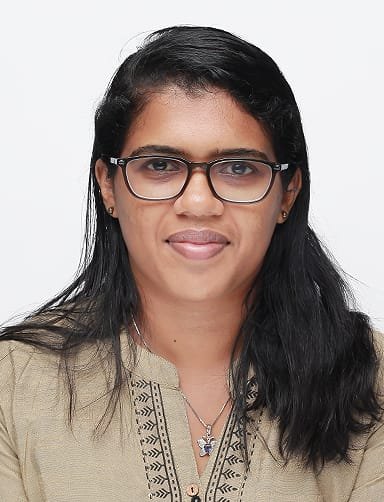
Dr. Preethy P. Kumar
Associate Professor & HODSalakya Tantra
MS (AY)
7 Year 11 Months
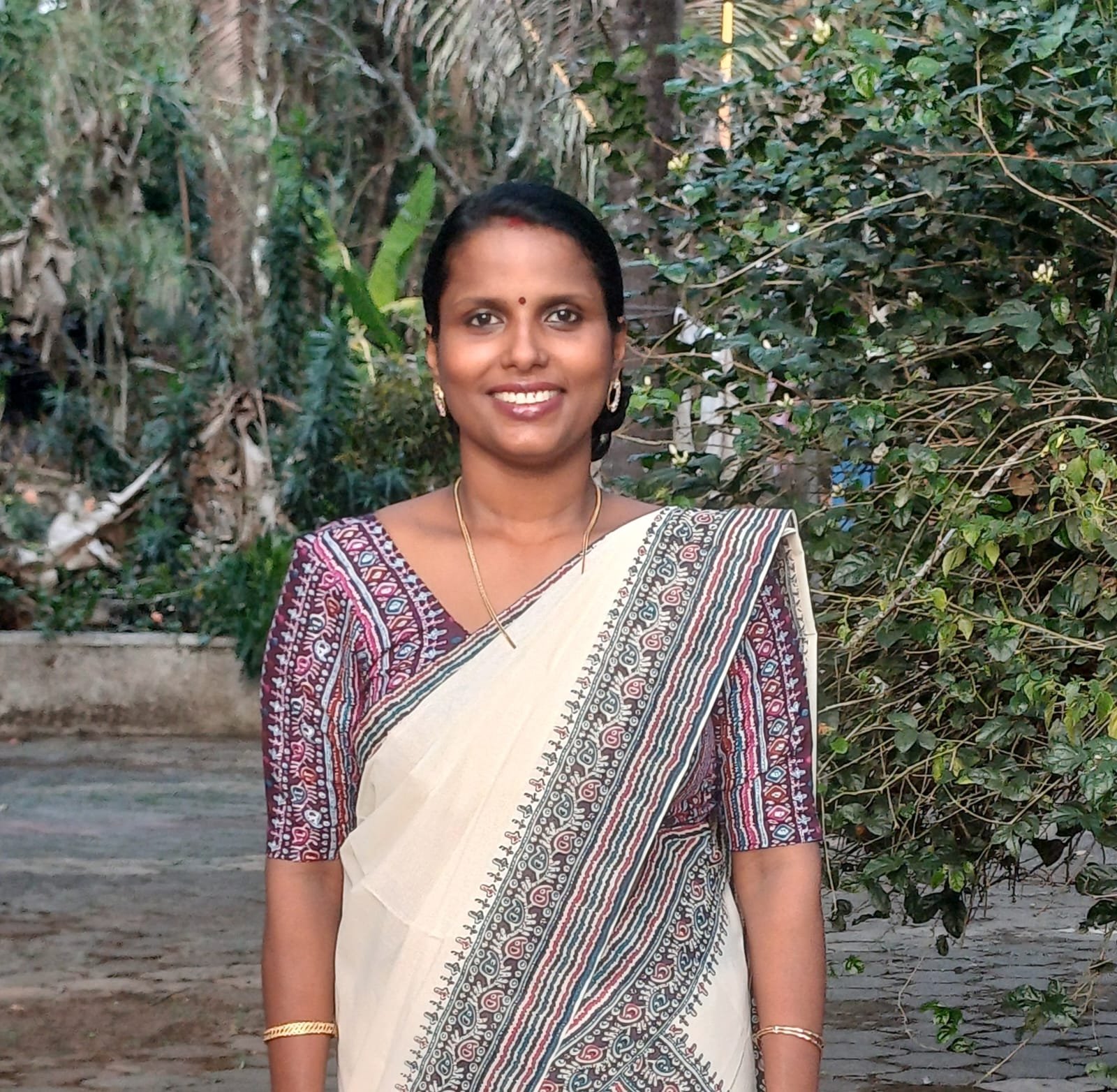
Dr. Mithu Sathyan
Associate ProfessorSalakya Tantra
MS (AY)
5 Year 9 Months
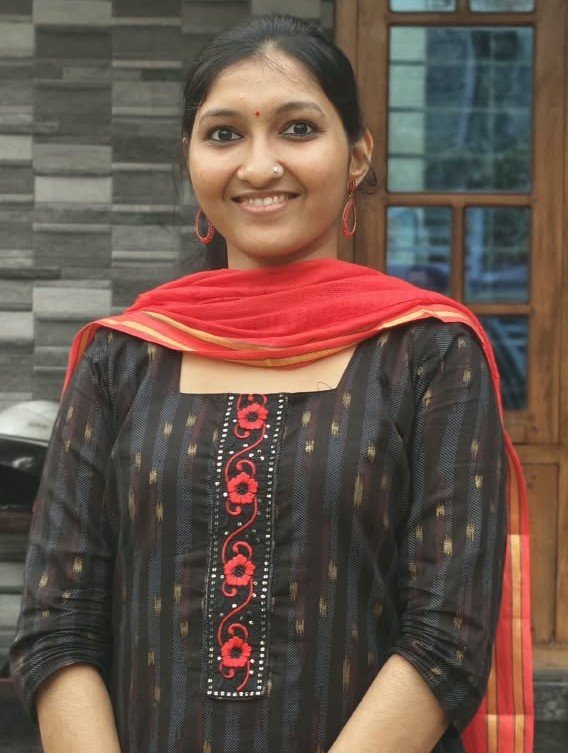
Dr. Akshara Vijay
Assistant ProfessorSalakya Tantra
MS (AY)